
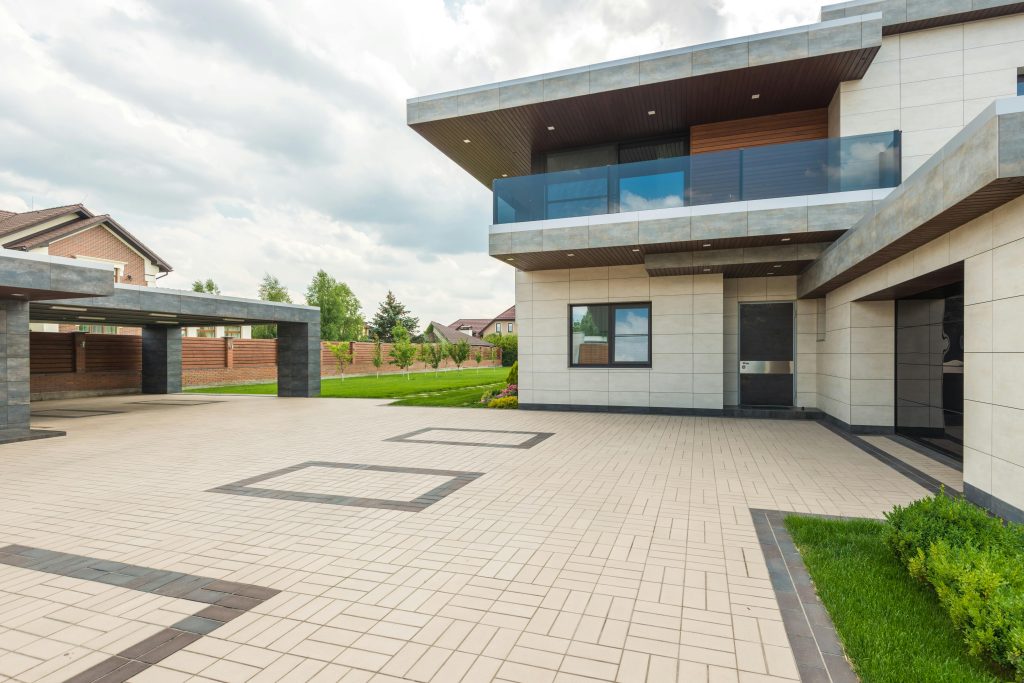
Minimalist House Design Ideas: Small Space Living
Executive Summary
This article explores the art of minimalist house design, specifically tailored for those living in small spaces. We’ll delve into practical strategies and inspiring ideas to maximize functionality and create a serene, stylish, and efficient home, even within limited square footage. We’ll cover key aspects like space optimization, color palettes, furniture selection, storage solutions, and decorating techniques, providing actionable steps to transform a cramped living space into a haven of calm and personal expression. Whether you’re a seasoned minimalist or just starting your journey, this guide will empower you to create a home that reflects your values and enhances your wellbeing.
Introduction
Living in a small space doesn’t have to mean sacrificing style or comfort. Minimalist design, with its emphasis on clean lines, functional furniture, and intentional living, is the perfect solution for maximizing space and creating a tranquil atmosphere. This guide will equip you with the knowledge and inspiration to transform your small home into a stylish and efficient haven. We’ll explore practical design choices and clever storage solutions that will help you create a space that feels both spacious and personalized, reflecting your unique taste and personality. Get ready to unlock the potential of your small living space!
Frequently Asked Questions
Q: Is minimalist design expensive? A: Not necessarily. Minimalism focuses on quality over quantity, so while you might invest in fewer, higher-quality items, you’ll avoid the accumulation of cheap, disposable things that ultimately clutter your space and your budget.
Q: Can I personalize a minimalist space? A: Absolutely! Minimalism isn’t about sterile environments. It’s about curating your possessions to reflect your personality and values. Personal touches are encouraged, just keep them intentional and meaningful.
Q: How do I declutter effectively in a small space? A: Start by identifying items you truly need and love. Donate, sell, or discard anything else. The process might seem daunting, but breaking it down into manageable steps and focusing on one area at a time makes it easier.
Space Optimization Techniques
Creating the illusion of spaciousness in a small house is key to minimalist living. This involves clever use of vertical space, multifunctional furniture, and strategic placement of mirrors.
Maximize Vertical Space: Utilize wall-mounted shelving, tall bookcases, and overhead storage to store items efficiently, freeing up valuable floor space. This keeps things off the floor, making the room appear larger.
Multifunctional Furniture: Choose furniture that serves multiple purposes. A sofa bed provides seating and sleeping space, while ottomans with storage offer seating and hidden storage. Invest in a coffee table with drawers or shelves for extra storage.
Strategic Mirror Placement: Mirrors strategically placed can create the illusion of more space by reflecting light and expanding the visual perception of the room. A large mirror on a wall can make a small room feel significantly larger.
Light and Bright Color Palettes: Opt for light and bright colors on walls and floors. Light colors reflect more light, making the space feel airier and larger. Consider using lighter shades of neutrals or pastels.
Minimalist Flooring: Choose flooring that enhances the illusion of spaciousness. Avoid busy patterns; instead, opt for solid colors, or even polished concrete for a modern and open feel.
Declutter Regularly: Regular decluttering is essential to maintain a minimalist aesthetic and prevent your small space from feeling cramped. It is an ongoing process.
Color Palettes and Lighting
The right color scheme and lighting can drastically alter the perception of space. Choosing light, airy colors and incorporating natural light is crucial for creating a sense of openness and calm.
Light and Neutral Colors: Opt for a neutral color palette, using whites, creams, grays, or beiges as your base. These colors reflect light and create a feeling of spaciousness.
Accent Colors Sparingly: Use pops of color strategically to add visual interest without overwhelming the space. Choose one or two accent colors that complement your neutral base.
Natural Light Maximization: Let in as much natural light as possible. Keep windows unobstructed and use sheer curtains or blinds to soften harsh sunlight.
Artificial Lighting Strategy: Use a mix of ambient, task, and accent lighting. Ambient lighting provides overall illumination, while task lighting illuminates specific areas, and accent lighting highlights features.
Layered Lighting: Combining different types of lighting creates depth and visual interest. Consider using pendant lights, floor lamps, table lamps, and wall sconces to layer your lighting design.
Energy-Efficient Lighting: Choose energy-efficient light bulbs to reduce your carbon footprint and lower your energy bills. LED bulbs are a great option.
Furniture Selection and Arrangement
Furniture should be carefully selected and strategically arranged to optimize space and functionality. Choose pieces that are functional, versatile, and visually appealing.
Multifunctional Furniture: Prioritize pieces that serve multiple purposes. For instance, a sofa bed provides both seating and sleeping space, while ottomans with storage offer both seating and concealed storage.
Scale and Proportion: Choose furniture that is appropriately scaled for the space. Oversized furniture will overwhelm a small room, while undersized furniture will get lost.
Floating Shelves and Wall-Mounted Units: These free up floor space, offering a clean and uncluttered look. Utilize vertical space with floating shelves and wall-mounted units for storage and display.
Minimalist Furniture Styles: Select minimalist furniture styles with clean lines and simple designs. Avoid ornate or overly embellished pieces.
Lightweight Furniture: Choose furniture that is lightweight and easy to move, allowing for flexible arrangements. This makes rearranging easier to achieve a change in the room’s appearance.
Open Space: Ensure ample space for easy movement around the furniture. Avoid cramming the room with too much furniture.
Storage Solutions and Organization
Efficient storage is paramount in a small house. Incorporate creative storage solutions to keep belongings organized and hidden from view.
Built-in Storage: Built-in shelving, drawers, and cabinets are excellent space-saving options. They maximize storage without sacrificing floor space.
Vertical Storage: Utilize vertical space by installing tall shelves and cabinets. This creates a lot more storage capacity.
Under-Bed Storage: Utilize the space under beds for storage. Store out-of-season clothes, linens, or other items under the bed.
Hidden Storage: Incorporate hidden storage solutions, such as ottomans with storage, benches with compartments, or coffee tables with drawers.
Decluttering Regularly: Regularly decluttering and purging unnecessary items is crucial for maintaining a clutter-free minimalist space.
Organized Storage: Even with abundant storage, organizing belongings efficiently is crucial. Use storage containers, labels, and dividers to maintain order.
Decorating Techniques and Accessories
Minimalist decor is all about quality over quantity. Choose a few carefully selected accessories that add personality and visual interest without cluttering the space.
Less is More: A minimalist aesthetic is defined by its restraint. Avoid overcrowding the space with too many decorative items.
Curated Decorations: Select a few high-quality decorative items that you truly love and that reflect your personality.
Statement Pieces: A single statement piece, such as a piece of art or a unique sculpture, can make a big impact without cluttering the space.
Natural Elements: Incorporate natural elements such as plants, flowers, or wood accents to add warmth and texture.
Textural Variety: Use a variety of textures to add visual interest without overwhelming the space. Consider different textures in fabrics, rugs, or wall coverings.
- Gallery Wall: A gallery wall can be a stylish and space-saving way to display artwork and photographs.
Conclusion
Designing a minimalist home, especially within a small space, is a journey of intentional living. It’s about curating your belongings, embracing functionality, and maximizing your available space. By applying these design principles – focusing on space optimization, light and airy color palettes, multifunctional furniture, and strategic storage solutions – you can create a home that is not only stylish and aesthetically pleasing but also calm, organized, and perfectly suited to your lifestyle. Embrace the power of less, and discover the transformative effect of minimalist design on your living space and well-being. The process is rewarding and ultimately leads to a home that truly reflects you and your personal sanctuary.