
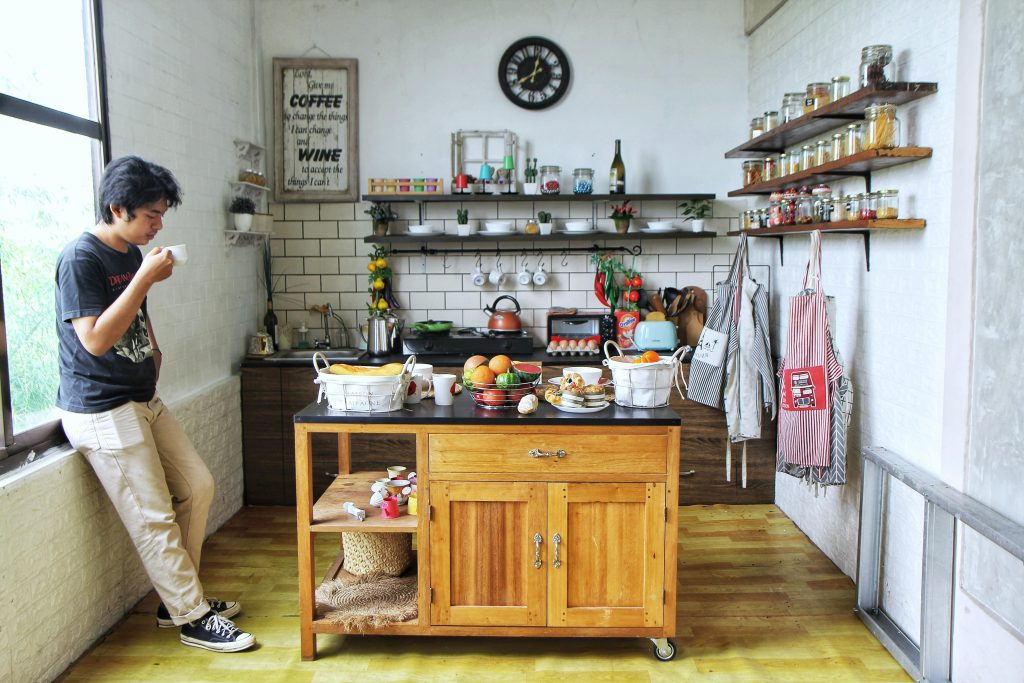
Minimalist Home Interior Design Ideas
Executive Summary
Minimalist interior design is more than just a trend; it’s a lifestyle choice reflecting a desire for clarity, simplicity, and intentionality. This guide delves into the core principles of minimalist design, providing actionable steps and inspiring ideas to transform your home into a peaceful and functional sanctuary. We’ll explore key elements, from color palettes and furniture selection to storage solutions and the art of decluttering, empowering you to create a space that truly reflects your personal style while embracing the beauty of less. This isn’t about stark emptiness, but rather a curated environment that promotes well-being and reduces visual clutter, allowing you to focus on what truly matters.
Introduction
In today’s fast-paced world, our homes should be our havens – spaces that offer peace and tranquility. Minimalist interior design offers a powerful approach to achieving this. It’s about intentional living, focusing on quality over quantity, and creating a space that is both aesthetically pleasing and functionally efficient. By embracing the principles of minimalism, you can transform your home into a calming oasis that fosters relaxation and productivity. This guide will provide you with practical tips and inspiration to help you achieve your minimalist home design goals.
Frequently Asked Questions
What is minimalist design? Minimalist design is a style that prioritizes simplicity, functionality, and clean lines. It emphasizes a less-is-more approach, focusing on essential items and eliminating clutter to create a calm and uncluttered environment. The goal is not to live with absolutely nothing, but to thoughtfully curate possessions, keeping only what adds value and joy.
How can I make my home feel minimalist without spending a fortune? Minimalism is about quality over quantity, not necessarily about high-priced items. You can achieve a minimalist look by decluttering existing possessions, repurposing items you already own, and strategically incorporating affordable, functional pieces. Focus on neutral color palettes and simple lines to create a cohesive and calming atmosphere. You can gradually replace items as needed, choosing quality pieces that will last.
Is minimalist design boring? Absolutely not! Minimalist design is anything but boring. While it emphasizes simplicity, it’s far from stark or lifeless. The beauty lies in the intentional curation of elements, using carefully chosen textures, colors, and carefully considered design pieces to create a sophisticated and visually interesting space. You can add personality through carefully selected artwork, plants, and textural elements that complement the overall aesthetic.
Color Palettes: The Foundation of Minimalist Design
A minimalist color palette is crucial. It sets the stage for a serene and uncluttered environment. Avoid overwhelming the senses with a riot of color. Instead, opt for a neutral base and incorporate pops of color sparingly.
Neutral Base: Stick to a palette of whites, creams, grays, and beiges. These colors create a sense of spaciousness and calm.
Accent Colors: Introduce one or two accent colors to add personality and warmth. Think muted blues, greens, or earthy tones.
Natural Materials: Incorporate natural textures like wood, stone, and rattan to add depth and warmth without overwhelming the space.
Monochromatic Scheme: Consider using variations of a single color, creating a harmonious and sophisticated feel.
Avoid Bold Colors: Steer clear of bright, overly saturated colors which can be visually jarring in a minimalist setting.
Furniture Selection: Quality Over Quantity
Minimalist furniture is characterized by its clean lines, simple forms, and functionality. Choose pieces that serve a purpose and avoid unnecessary ornamentation.
Multi-Functional Furniture: Opt for pieces that can serve multiple purposes, such as a sofa bed or ottomans with storage.
Simple Lines: Choose furniture with clean lines and avoid overly ornate designs.
Quality Materials: Invest in high-quality pieces that are durable and will last for years to come.
Minimalist Silhouette: Prioritize pieces with a clean silhouette. Choose furniture that avoids excessive detail or ornamentation.
Less is More: Carefully consider the number of pieces you truly need and avoid excessive furnishings.
Storage Solutions: The Art of Concealment
Clever storage is essential in a minimalist home. The goal is to keep belongings organized and out of sight, maintaining a clutter-free environment.
Built-in Storage: Consider built-in shelving, cabinets, and drawers to maximize space and keep things organized.
Hidden Storage: Utilize ottomans, coffee tables, and bed frames with storage compartments.
Decluttering Regularly: Regularly declutter and purge items you no longer need or use.
Vertical Storage: Use vertical space efficiently with tall bookshelves or wall-mounted storage solutions.
Organized Drawers & Closets: Keep drawers and closets organized with dividers and storage containers.
Decluttering and Organization: The Heart of Minimalism
Decluttering is not just about tidying up; it’s about intentionally curating your possessions. It’s a process of identifying what adds value to your life and letting go of what doesn’t.
One In, One Out Rule: For every new item you bring into your home, get rid of a similar item.
The 20/20 Rule: If an item can be replaced for under $20 and within 20 minutes, consider discarding it.
Regular Purges: Schedule regular decluttering sessions to maintain a clutter-free environment.
Donation or Selling: Donate or sell items you no longer need to give them a new purpose.
Digital Declutter: Don’t forget to declutter digital spaces – delete unnecessary files, emails, and apps.
Lighting and Natural Elements: Enhancing the Ambiance
Lighting and natural elements play a significant role in creating a welcoming and calming atmosphere. Maximize natural light and use layered lighting to create a warm and inviting space.
Maximize Natural Light: Utilize windows and skylights to bring in as much natural light as possible.
Layered Lighting: Use a combination of ambient, task, and accent lighting to create different moods and highlight features.
Natural Materials: Incorporate natural materials like wood, stone, and plants to connect with nature.
Plants and Greenery: Introduce plants to purify the air and add a touch of life and color.
Soft Lighting: Opt for soft, warm lighting rather than harsh, bright lights.
Conclusion
Minimalist home interior design isn’t about sacrificing comfort or style; it’s about making conscious choices to create a space that reflects your values and enhances your well-being. By focusing on quality over quantity, functionality over aesthetics, and intentionality over impulsivity, you can transform your home into a sanctuary of peace and calm. Remember, the journey towards minimalism is a personal one. Start small, focus on one area at a time, and don’t be afraid to experiment and find what works best for you. The result will be a home that is not only beautiful but also a true reflection of your personal style and your commitment to a more intentional way of life. Embrace the simplicity, enjoy the process, and revel in the tranquility of your newly minimalist space.