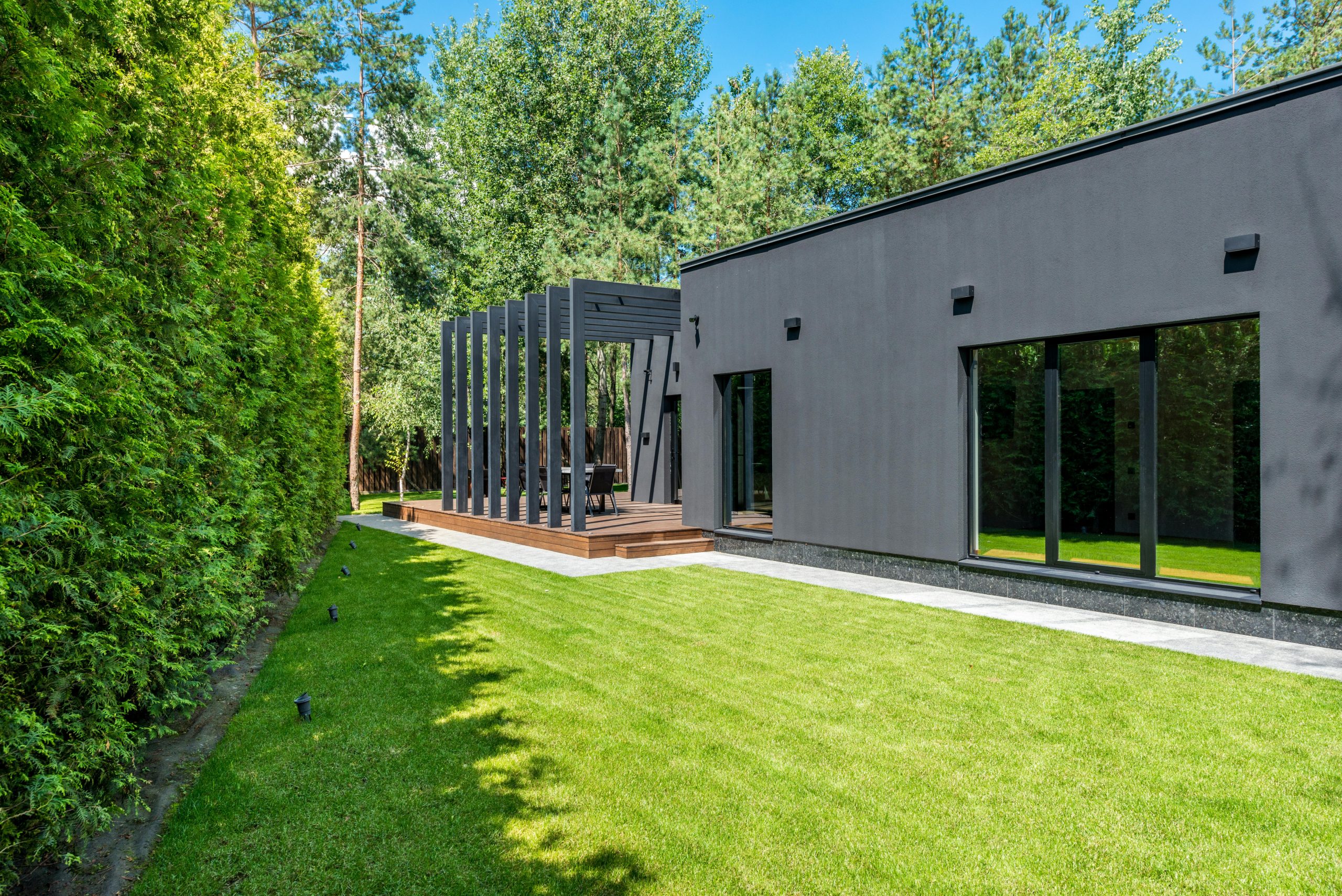
Best Minimalist House Designs for 2024
Executive Summary
Minimalist house designs are trending in 2024, offering a refreshing alternative to cluttered, overly decorated homes. This guide explores the key elements of minimalist architecture and design, showcasing the best approaches for creating a serene, functional, and stylish living space. We’ll delve into the essential components, from material selection to space optimization, providing actionable tips and inspiration for those seeking to build or renovate their dream minimalist home. Prepare to be inspired by the clean lines, functional spaces, and timeless elegance of modern minimalist design.
Introduction
In a world of increasing complexity and visual noise, minimalist home design offers a sanctuary of calm and order. It’s about intentional living, prioritizing functionality and simplicity over superfluous ornamentation. This approach isn’t about stark emptiness; instead, it’s about carefully curating a space that reflects your personality and enhances your wellbeing. This guide will explore various aspects of minimalist house design, helping you create a home that is both beautiful and effortlessly functional.
Frequently Asked Questions
What is minimalist design? Minimalist design emphasizes simplicity, functionality, and clean lines. It prioritizes essential elements, eliminating clutter and unnecessary decorations to create a calm and peaceful environment.
Is minimalist design expensive? Not necessarily. While high-end materials can be used, minimalist design often focuses on quality over quantity. Smart choices in materials and a focus on functionality can make it cost-effective. The elimination of unnecessary ornamentation can significantly reduce overall costs.
How can I make my existing home more minimalist? Start by decluttering. Remove anything you don’t need or use regularly. Then, focus on simplifying your color palette, choosing neutral tones and a few carefully selected accent colors. Incorporate multifunctional furniture and embrace the power of negative space.
Open Floor Plans: Maximizing Space and Light
Open floor plans are a cornerstone of minimalist design. They create a sense of spaciousness and allow natural light to flow freely throughout the home. This uninterrupted flow enhances the feeling of openness and minimizes the feeling of confinement often associated with traditional layouts.
Maximize Natural Light: Utilize large windows and skylights to flood the space with sunlight. This reduces the need for artificial lighting and creates a bright, airy atmosphere.
Visual Continuity: Maintain a consistent flooring material throughout the open areas to create a sense of seamlessness. Avoid abrupt changes in texture or color that can visually break up the space.
Strategic Zoning: Despite the open layout, create distinct zones for different activities. This can be achieved through subtle changes in flooring, furniture placement, or the use of area rugs.
Minimalist Furniture: Opt for streamlined, multi-functional furniture pieces to avoid cluttering the space. Choose pieces with clean lines and neutral colors.
Clever Storage: Incorporate built-in storage solutions to keep items organized and out of sight, maintaining the clean and uncluttered aesthetic.
Neutral Color Palettes: Creating a Sense of Calm
A neutral color palette is fundamental to minimalist design. It forms the foundation for a serene and tranquil environment. This doesn’t mean a completely colorless space; rather, it involves strategically using a limited range of calming shades to create a balanced and harmonious atmosphere.
Base Neutrals: Employ shades of white, beige, gray, and off-white as your base colors. These versatile shades provide a clean backdrop for pops of color and texture.
Accent Colors: Introduce one or two accent colors sparingly to add personality and visual interest without overwhelming the space. Think subtle blues, greens, or muted yellows.
Texture Variation: While maintaining a neutral color scheme, incorporate different textures to add visual richness. This can be achieved through natural materials like wood, linen, or stone.
Light and Shadow: Pay attention to how light interacts with the color palette. Light colors can make a space feel larger, while darker shades can create a sense of intimacy in smaller areas.
Color Psychology: Consider the psychological impact of different colors. Blues and greens are known for their calming effect, while warmer tones can add a sense of warmth and comfort.
Natural Materials: Bringing the Outdoors In
Incorporating natural materials is vital for creating an authentic and inviting minimalist space. These materials add warmth, texture, and a sense of connection to the natural world. They are also often durable and sustainable, aligning with the environmentally conscious principles of minimalist living.
Wood: Use wood for flooring, cabinetry, and furniture. Opt for sustainably sourced wood whenever possible.
Stone: Stone countertops, backsplashes, and flooring add a touch of elegance and durability.
Bamboo: A sustainable and versatile material ideal for flooring, shelving, and even furniture.
Cotton and Linen: Choose these natural fabrics for upholstery, bedding, and curtains. They bring softness and texture to the space.
Plants: Introduce indoor plants to bring life and freshness to the minimalist aesthetic.
Smart Storage Solutions: Concealing Clutter
Smart storage is paramount in minimalist design. It’s about keeping things organized and out of sight, maintaining the clean and uncluttered aesthetic. This doesn’t mean sacrificing storage space; rather, it’s about finding creative and efficient ways to maximize storage capacity without compromising the overall design.
Built-in Storage: Utilize built-in shelving, cabinets, and drawers to maximize space and maintain a seamless look.
Multi-Functional Furniture: Invest in furniture with built-in storage, such as ottomans with hidden compartments or beds with drawers underneath.
Hidden Storage: Utilize hidden storage solutions like pull-out drawers, under-stair storage, or cleverly designed shelving units.
Decluttering Regularly: Regularly declutter your home to prevent clutter from accumulating. This helps maintain the minimalist aesthetic and reduces stress.
Vertical Space: Maximize vertical space by using tall shelving units or wall-mounted storage solutions.
Decluttering and Minimalism: A Lifestyle Choice
Minimalist design is not just about aesthetics; it’s a lifestyle choice that emphasizes intentionality and simplicity. Decluttering is a crucial aspect of this lifestyle, helping you eliminate unnecessary items and create a more peaceful and organized living space.
The 20/20 Rule: If an item can be replaced for under $20 within 20 minutes, don’t keep it.
One In, One Out: For every new item you bring into your home, get rid of a similar item.
The 12-Month Rule: If you haven’t used an item in 12 months, consider getting rid of it.
Donation and Recycling: Donate usable items to charity and recycle items that are no longer usable.
Digital Declutter: Don’t forget to declutter your digital space, including emails, files, and apps.
Conclusion
Minimalist house designs for 2024 emphasize clean lines, functionality, and a connection with nature. By carefully curating your space, using a neutral color palette, incorporating natural materials, and employing smart storage solutions, you can create a home that is both stylish and effortlessly functional. Remember, minimalism is not about deprivation; it’s about making intentional choices that enhance your wellbeing and create a space that truly reflects your personal style. Embrace the simplicity and serenity that minimalist design offers. Your dream home, free of clutter and brimming with calm, awaits.